

Why We Called It "How to Grieve with Love Instead of Pain"
The GRIEF Ladies Guide: How to Grieve with Love Instead of Pain
The title came from something we see again and again - in our 50 years of combined experience supporting grieving individuals.
People come to us believing, sometimes without even realizing it, that the pain is the point. That suffering is proof of love. That if the grief isn't hurting, something is wrong. That moving forward means moving away from the person who died.
We wanted to write a book that gently pushed back on all of that.
Here's what we believe: your connection to the person you lost shouldn't have to live in suffering.
That doesn't mean grief isn't painful. It is. It will be. Nothing about loving someone and losing them makes that pain disappear. We're not here to tell you otherwise.
But pain and love are not the same thing. And while pain may always be part of your story, it doesn't have to be your last or lasting connection to the person you lost. We want that forever connection to be about love.
The book names something we see at the heart of why so many grieving people stay stuck:
"Sometimes we hold on to these roadblocks because of our sense of love and loyalty. To be a loving person is to suffer. What kind of person would I be if I didn't feel bad?"
That belief keeps people from moving forward more than almost anything else we see. And it makes complete sense. If the pain is how you stay connected, letting go of the pain can feel like letting go of them.
It isn't. And this book is our attempt to help you feel that.
This book is built for the people we wrote about in the dedication:
"The stuck ones. The terrified ones. The numb ones. The angry ones. The ones barely holding on. The ones doing it awkwardly. The ones questioning every instinct and second-guessing themselves at every turn. The people trying to rebuild a life that no longer feels familiar, while carrying more than anyone around them can see."
That's who this book is for.
Available Tuesday, September 29th on Amazon.
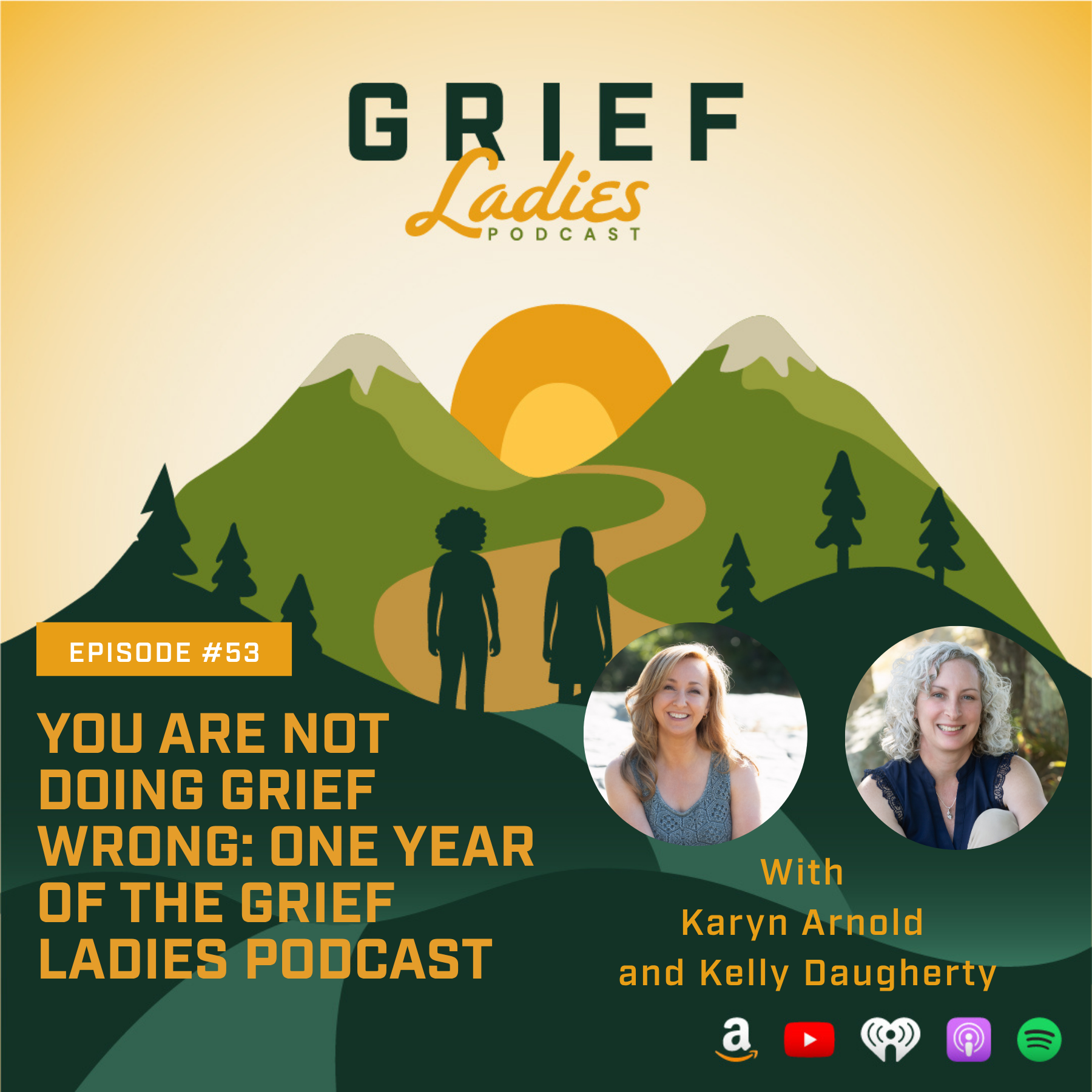
One Year of GRIEF Ladies: We're Celebrating
The GRIEF Ladies Podcast Turns 1!! This is our 53rd episode- Listen now wherever you get your podcasts!
This week marks one year of the GRIEF Ladies podcast, and in our anniversary episode- the 53rd Episode of teh podcast, Karyn and Kelly are pulling back the curtain on how it all started, what this past year has actually looked like behind the scenes, and what's coming next.
Why We Started This Podcast
It started with a book — The Grief Experience — and turned into something neither of us expected. Between us, we bring more than 50 years of combined experience in grief work, and this episode gets into the real story of how GRIEF Ladies came to be, built around the G.R.I.E.F. framework: Grounding, Rebuilding, Interacting, Evolving, and Finding.
Quote Box: "We believe that there are things that help people while they're grieving, and we've seen it." — Kelly Daugherty
A Look Back — and a Big Announcement
53 episodes in, we're reflecting on everything we've built together: the podcast, the Facebook community, our downloadable resources, and The First Year After Loss. And we're talking about what's next — including The GRIEF Ladies Guide: How to Grieve with Love Instead of Pain and its companion workbook, releasing Tuesday, September 29th.
We also get into something we don't usually talk about on the podcast: why grief feels so isolating even when you're surrounded by people who love you, and why that's been at the center of everything we've built this year.
Hear the Whole Conversation
This one's personal for both of us, and there's a lot we didn't touch on here — including what's coming in year two. Give it a listen wherever you get your podcasts. https://open.spotify.com/episode/3R8Lt4wdh8ZPS4vQDNmdkr?si=qPKBLdQ3SFap_ytjwyN6aw
Keep exploring:
Join the GRIEF Ladies Facebook community
Get familiar with the G.R.I.E.F. framework before the GRIEF Ladies Guide releases September 29th
Learn more about The First Year After Loss

Secondary Losses in Grief: Why Loss Changes More Than You Think
Secondary Losses in Grief: Why Loss Changes More Than You Think
Secondary Losses in Grief: Why Loss Changes More Than You Think
Grief is rarely about just one loss.
When someone dies, we may also lose routines, identity, security, future plans, and the roles we once held. These are called secondary losses — and they can make grief feel overwhelming and confusing.
In this episode, Nicole Lee joins us to explore:
Why grief feels like more than one loss
Emotional overwhelm and “energy in motion”
Identity changes after death
The idea that loyalty does not require ongoing suffering
How growth can coexist with pain
Grief is deeply personal — and it evolves over time.

What No One Tells You About Stillbirth Grief with Vallen Webb
What No One Tells You About Stillbirth Grief with Vallen Webb
Stillbirth grief is one of the most misunderstood and isolating experiences a family can go through — and Vallen Webb knows this firsthand. After the stillbirth of her daughter Evelyn in 2019, Vallen navigated postpartum depression, rage, isolation, a husband deployed overseas who never got to hold his daughter, and a cascade of secondary losses that took years to untangle.
In this episode, Vallen shares what she wishes society understood about stillbirth and infant loss, how disenfranchised grief shows up for bereaved families, and why routine became her survival tool when everything else felt out of control. She also offers four simple but powerful self-care anchors — sun, movement, water, and sleep — and talks honestly about how she continues to honor Evelyn seven years later.
Her mission says it all: grief doesn't need fixing. It needs witnessing.
🔗 Instagram: https://www.instagram.com/evelynjamesandco/ 🔗 Facebook: https://www.facebook.com/ValenWebb
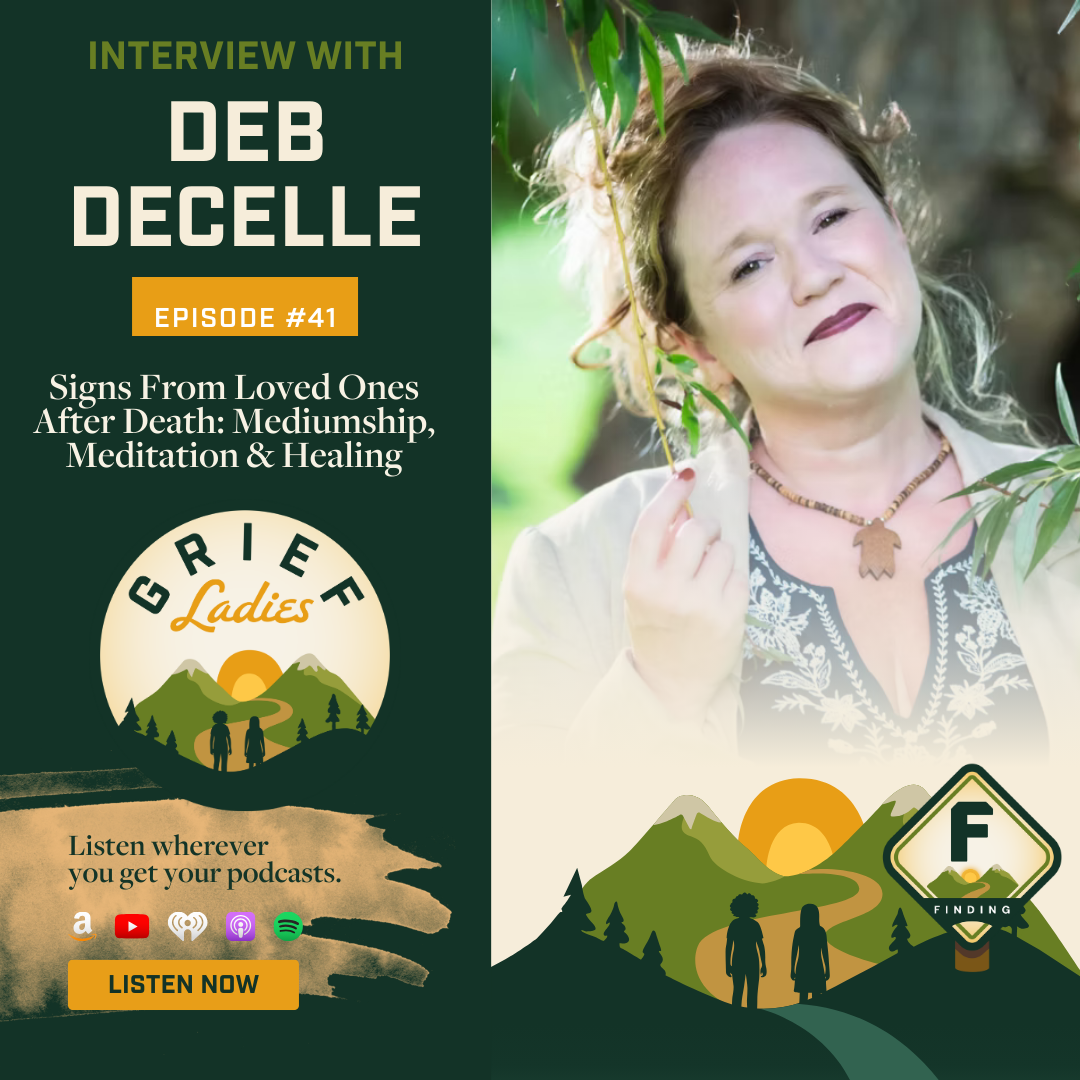
Signs From Loved Ones After Death: Mediumship, Meditation & Healing
Signs From Loved Ones After Death: Mediumship, Meditation & Healing
Signs From Loved Ones After Death: Mediumship, Meditation & Healing
After someone dies, many people wonder:
Was that a sign?
In this episode, we’re joined by intuitive medium Deb DeCelle to talk about the experience of receiving signs from loved ones in spirit. We explore meditation as a tool for connection, the role of gratitude in noticing signs, and how maintaining a bond after death can support healing.
We discuss:
What signs from loved ones may look like
Why meditation can help quiet grief
Doubt and skepticism around spiritual experiences
Continuing connection after loss
How gratitude can deepen awareness
Grief doesn’t erase connection — it transforms it.
As always, we close with practical steps you can try this week.
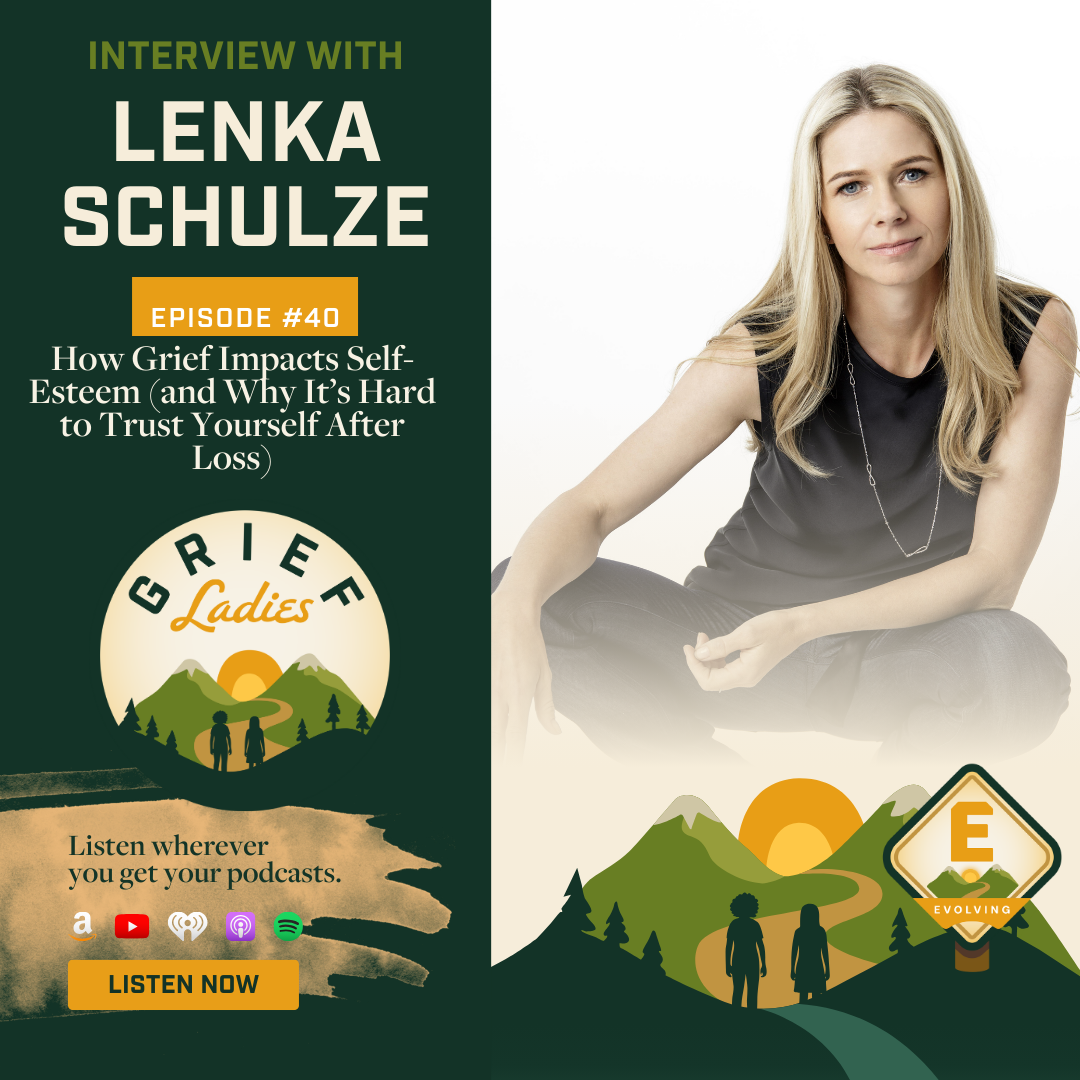
How Grief Impacts Self-Esteem (and Why It’s Hard to Trust Yourself After Loss)
How Grief Impacts Self-Esteem (and Why It’s Hard to Trust Yourself After Loss)
How Grief Impacts Self-Esteem (and Why It’s Hard to Trust Yourself After Loss)
Grief doesn’t just break your heart — it can shake your confidence.
In this episode, we explore how loss impacts self-esteem, identity, and your ability to trust your own intuition. Joined by Dr. Lenka Schulze, we discuss why grief can feel disorienting, how disenfranchised grief often goes unacknowledged, and why talking openly about death matters.
You’ll hear:
How grief affects self-confidence
Why trusting yourself may feel harder after loss
The connection between grief and physical health
Disenfranchised grief, including miscarriage
Rebuilding inner trust through surrender and awareness
Healing isn’t about rushing forward — it’s about reconnecting with yourself.
As always, we close with practical steps you can try this week.

Grief, Relationships, and Dating After Loss: What Nobody Tells You with Joëlle Lydon
Grief, Relationships, and Dating After Loss: What Nobody Tells You with Joëlle Lydon
When someone is deep in grief, the people closest to them often want to help — but don't know how. And the grieving person? They're often too exhausted to explain. In this episode, relationship coach and author Joelle Lydon breaks down what's really happening in relationships when grief enters the picture, how both partners can navigate it without losing each other, and what dating after loss actually looks like.
Joelle talks about the power of making clear and specific requests, why partners often inadvertently short-circuit the grief process by trying to fix things too quickly, and her concept of the sacred third — the relationship itself as something both people contribute to or take away from. She also dives into dating after loss — why transparency beats strategy, why dating is a sorting process not a search, and how companionship can look very different than you'd expect.
Plus: a beautiful in-the-moment insight about honoring a friend through daily "marquee moments" at the dinner table.

Sorting a Loved One's Belongings: Clinical Considerations and Grief-Informed Support
Sorting a Loved One’s Belongings: Clinical Considerations and Grief-Informed Support
Belongings, Meaning, and the Complexity of Letting Go
When a person dies, their physical possessions become something more than objects. They become containers for memory, relationship, and identity — both the deceased's and the bereaved person's. The sweater that still carries a scent. The handwriting on a grocery list. The reading glasses left on a nightstand. These items carry relational weight that has nothing to do with their material value, and the decisions surrounding them can become some of the most emotionally loaded tasks a bereaved person faces.
For helping professionals, understanding why belongings hold such significance after loss — and why decisions about them can be so difficult — is a meaningful component of grief-informed care. The process of sorting, keeping, distributing, and releasing a loved one's possessions is not a logistical task that happens alongside grief. For many bereaved individuals, it is grief work itself.
In this episode of the GRIEF Ladies podcast, certified grief coach and TEDx speaker Charlene Lam joins hosts Kelly Daugherty and Rox to discuss the emotional and practical dimensions of managing a loved one's belongings after death. Drawing on her Curating Grief® framework and her book of the same name, Charlene brings a structured, creative, and clinically relevant perspective to a topic that is frequently underaddressed in bereavement support contexts.
What This Episode Covers
The conversation addresses several areas with direct relevance to professionals supporting bereaved individuals:
Why physical possessions carry such concentrated emotional and relational meaning after a death
How guilt functions in the context of decisions about belongings — and what it is actually communicating
Frameworks for approaching decisions about what to keep, what to release, and what to transform — without imposing timelines or external pressure
Why there is no clinically or personally correct timeline for sorting through a loved one's possessions
Creative approaches to honoring memory and maintaining continuing bonds without retaining every physical item
Clinical and Systemic Implications
The management of a deceased person's belongings sits at the intersection of grief, identity, continuing bonds, and practical life reorganization. It is a dimension of bereavement that receives relatively little attention in clinical training, despite being a near-universal experience for bereaved individuals and a frequent source of distress in the months and years following a death.
Several clinical and systemic considerations are worth naming directly.
Belongings function as physical anchors for continuing bonds. Continuing bonds theory — the understanding that maintaining an ongoing connection to the deceased is a normative and often adaptive aspect of grief — helps explain why releasing possessions can feel threatening rather than freeing. For many bereaved individuals, objects are not reminders of the person who died. They are part of how the relationship continues. Professionals who understand this framework are less likely to inadvertently pressure clients toward releasing items before they are ready, and more likely to help clients make decisions that honor their actual grief process.
Guilt around belongings is clinically meaningful data. When a bereaved person feels guilty about keeping something, releasing something, or simply not knowing what to do, that guilt warrants clinical attention rather than reassurance. It often reflects underlying beliefs about loyalty, love, identity, and what it means to move forward after loss. Exploring the content of the guilt — rather than rushing to resolve it — is more clinically useful and more respectful of the client's actual experience.
External pressure around belongings is a significant source of bereavement distress. Bereaved individuals frequently face pressure from family members, landlords, estate processes, and well-meaning friends to sort and clear a deceased person's belongings on a timeline that has nothing to do with their grief. This pressure is a form of disenfranchisement — it communicates that the grief process should be subordinate to practical or social convenience. Professionals who can name this dynamic and explicitly support a client's right to their own timeline provide meaningful advocacy within the bereavement support relationship.
Decisions about belongings can surface family conflict. When multiple bereaved family members have different relationships to the deceased's possessions — different timelines, different emotional attachments, different practical needs — conflict can emerge that complicates the grief of everyone involved. Therapists and family counselors who are not prepared for this dimension of bereavement may find themselves managing interpersonal conflict without the grief-informed context needed to navigate it effectively.
Creative approaches to belongings are underutilized in clinical settings. Transforming a loved one's clothing into a quilt, creating a memory box, digitizing photographs, or commissioning art from meaningful materials are all approaches that support continuing bonds while reducing the practical burden of retaining every item. These creative solutions are not just aesthetically meaningful — they are grief-informed interventions that help bereaved individuals maintain connection while also moving through the practical realities of loss. Professionals who are aware of these options can expand the support they offer significantly.
For children, a deceased person's belongings can be a significant grief resource. A parent's watch, a grandparent's recipe box, a sibling's favorite book — objects can serve as concrete, tangible points of connection for children who are still developing the cognitive and emotional capacity to hold loss in more abstract ways. School counselors and therapists working with bereaved children benefit from understanding how to incorporate meaningful objects into grief support, and how to help caregivers navigate decisions about children's access to a loved one's possessions.
Practical Applications for Helping Professionals
1. Assess where clients are in the process of managing belongings — without assuming. Some bereaved clients will raise this topic directly. Others will not, either because they have not connected it to their grief or because they are ashamed of where they are in the process. A simple, direct assessment question — "Have you had to deal with any of their belongings yet, and how has that been?" — opens the conversation without pressure and provides clinically useful information.
2. Normalize the absence of a timeline. One of the most useful things a professional can say to a bereaved client who is not ready to sort through belongings — or who sorted them quickly and is now second-guessing that decision — is that there is no correct timeline. Decisions about belongings are not a measure of grief health or forward progress. Clients need to hear this explicitly, because the external messages they are receiving often communicate the opposite.
3. Explore the meaning of specific objects rather than making general recommendations. Rather than offering advice about what to keep or release, help clients articulate what specific objects mean to them and what function they are serving. Is a particular item providing comfort? Maintaining connection? Creating distress? The object's function in the grief process is more clinically relevant than its practical value, and exploring that function provides a more useful basis for decision-making.
4. Address guilt directly and with curiosity. When guilt arises around belongings — whether about keeping, releasing, or simply not deciding — treat it as clinical material rather than a problem to be resolved. What does the client believe the guilt means? What would keeping or releasing this item say about their love, their loyalty, their grief? These questions often open into deeper grief work that would not have been accessible otherwise.
5. Introduce creative frameworks where appropriate. Clients who feel stuck between keeping everything and feeling overwhelmed, or releasing everything and feeling bereft, often benefit from a third option: transformation. Memory quilts, shadow boxes, commissioned artwork, digitized archives, and other creative approaches to belongings can be introduced as possibilities — not prescriptions — that expand the available options and reduce the binary pressure of keep or discard.
6. Support clients in setting limits with external pressure. Where clients are experiencing pressure from family members, estate processes, or social expectations to clear belongings on a timeline that is not their own, explicitly support their right to a different pace. Help them develop language for communicating their needs, identify what is and is not negotiable, and recognize that advocating for their own grief process is not selfishness — it is self-knowledge.
About the Guest: Charlene Lam
Charlene Lam is a certified grief coach, TEDx speaker, and the founder of The Grief Gallery. After her mother died suddenly in 2013, Charlene drew on her background as a curator to develop the Curating Grief® framework — a creative, accessible approach to navigating both the physical and emotional dimensions of loss. Her first book, Curating Grief: A Creative Guide to Choosing What to Keep After a Loved One Dies, is now available. Charlene's work offers bereaved individuals and the professionals who support them a structured, creativity-informed lens for one of grief's most practically complex challenges.
Resources from the Center for Informed Grief
The Center for Informed Grief provides training and professional development for therapists, educators, healthcare providers, and organizational leaders working with bereaved individuals. Our programs address grief-informed practice across its full scope — including the practical and relational dimensions of loss, continuing bonds, and building the professional capacity to support clients through the full complexity of bereavement.
To learn more about upcoming trainings, workshops, or consultation opportunities, visit the Center for Informed Grief.

Curating Grief: Choosing What to Keep, Release & Create After Loss
Curating Grief: Choosing What to Keep, Release & Create After Loss
Curating Grief: Choosing What to Keep, Release & Create After Loss
Belongings can hold more than memory — they can hold identity, connection, and unfinished emotion.
In this episode, Charlene Lamb shares her Curating Grief framework, inviting us to move beyond “keep or toss” and instead approach memory with intention.
We discuss:
The emotional meaning of personal items
Designing your ongoing relationship with the person who died
Reclaiming your narrative through choice
Creating something new from what remains
Why there’s no rush to decide\
Grief isn’t about erasing — it’s about evolving.
As always, we close with practical steps you can take in your own time.

Polyvagal Theory & Grief: Grounding Tools to Calm Your Nervous System
Polyvagal Theory & Grief: Grounding Tools to Calm Your Nervous System
Polyvagal Theory & Grief: Grounding Tools to Calm Your Nervous System
Grief isn’t just emotional — it’s physiological.
In this episode, 37 of the GRIEF Ladies Podcast, we explore how grief impacts the nervous system and why you may feel anxious, shut down, exhausted, or on edge. Joined by Gabrielle Juliano-Villani, we discuss polyvagal theory, grounding techniques, and practical tools to help regulate your body during grief.
You’ll hear:
How the nervous system responds to loss
Why burnout and grief often overlap
The role of self-compassion
What “glimmers” are and why they matter
Simple grounding practices you can try today
Grief can feel overwhelming — but small shifts in awareness can create meaningful change.
As always, we close with practical steps you can use this week.
Listen wherever you get your podcast or watch at: https://youtu.be/9Oig0ouNGCw?si=RGmKXDcBcJPji2I0
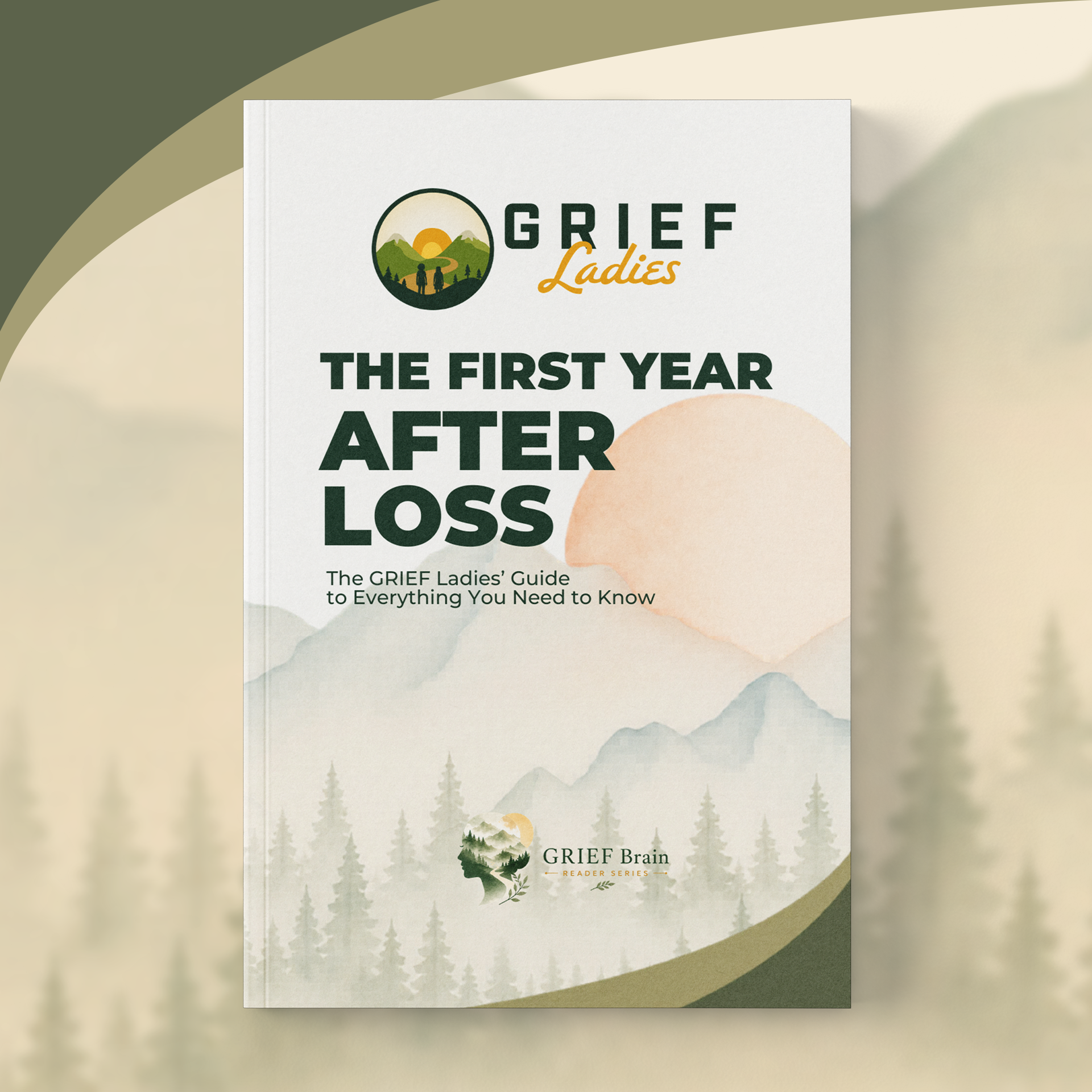
Why We Wrote The First Year After Loss
The First Year of Loss written by the GRIEF Ladies is scheduled for Tuesday, June 16th on Amazon.
When life knocks us down, most of us have ways of coping. We lean on the people we trust. We throw ourselves into work for a while. We exercise. We spend time with friends. We distract ourselves with hobbies. We remind ourselves of other difficult things we've survived and draw confidence from knowing we've gotten through hard times before. We rely on routines and familiar structures to create a sense of stability while life feels uncertain.
Then a significant loss occurs, and suddenly, the life we knew how to navigate no longer exists.
The person we would normally call may be the very person who died. Friends and family are often grieving too, leaving them with less capacity to support us in the ways they once did. The hobbies and interests that used to bring comfort can suddenly feel meaningless. Our routines change because the life those routines were built around no longer exists. Even our confidence in ourselves can take a hit as we struggle with forgetfulness, indecision, exhaustion, and a complete lack of motivation.
In other words, loss doesn't simply create pain. It destabilizes many of the systems we would normally rely upon to recover from pain.
We think this is one of the reasons the first year after loss feels so bewildering. People often come into grief believing they are mourning one person, only to discover they are also grieving a future they expected to have, a role they once occupied, a sense of security, familiar routines, important relationships, and even parts of themselves. They find themselves struggling with things that used to come naturally and wondering why they can't seem to "get it together." What they don't realize is that they are trying to adapt to an entirely new reality while many of the supports that would normally help them adapt have changed or disappeared.
This is also why so many grieving people ask the same questions. Why am I so tired? Why can't I concentrate? Why do I feel worse now than I did three months ago? Why don't I enjoy anything anymore? Why do I feel so disconnected from everyone around me? Beneath all of those questions is often a deeper one: Is this normal?
After hearing those questions for years, we began talking about how difficult it can be for grieving people to find straightforward, practical information during the time they need it most. The irony, of course, is that grief itself affects concentration, memory, motivation, and the ability to absorb information. People are desperate to understand what is happening to them at exactly the same time they are least able to read a dense book or sort through complicated explanations.
That realization became the foundation for our GRIEF Brain Reader Series, a collection of books on grief and life after loss designed specifically for people whose worlds have been forever changed. We wanted these books to be practical, accessible, and easy to return to—offering information, reassurance, and guidance without requiring the focus, energy, or emotional bandwidth that grief often takes away.
That conversation eventually became The First Year After Loss: A GRIEF Ladies Guide to Everything You Need to Know. We wanted to create the book we wished every grieving person had during those early months—the book that explains not only what grief is, but why it feels so hard. A book that helps people understand the exhaustion, the fog, the loneliness, the identity changes, the relationship challenges, and the countless secondary losses that often accompany the death of someone important.
No book can remove the pain of grief. No book can tell someone exactly what their experience will look like. But we do believe that understanding matters. There is comfort in learning that what feels frightening is often normal. There is relief in discovering that other people have struggled with the same thoughts, questions, and fears. There is tremendous value in realizing that the exhaustion, confusion, forgetfulness, loneliness, and sense of being completely unlike yourself are experiences shared by many grieving people.
The first year after loss asks an enormous amount of us. It asks us to carry heartbreak while adapting to change. It asks us to learn new routines, navigate unfamiliar emotions, and make sense of a world that no longer looks the way we expected it to. We hope this book helps people feel less confused, less alone, and better equipped to understand what is happening to them as they find their way through one of the most difficult years of their lives.
The First Year of Loss will be available on Amazon on Tuesday, June 16th. Want to hear more about why we are starting with this book, check out: https://youtu.be/Nfz8_vQbWck?si=qkVHy8ivBGEirpnS

How Do You Celebrate the Life of Someone Who Died?
Because the love doesn't end.
We asked five of our recent guests to share how they encourage people to celebrate the life of someone they love. This video brings all five "Celebrate Their Life" segments together in one place — one for every letter of the GRIEF Ladies framework.
Honoring the person you loved doesn't have to follow a script. Five guests from the GRIEF Ladies Podcast — one for every letter of the GRIEF framework — share how they encourage grieving people to celebrate a life, keep a memory alive, and carry love forward in ways that feel true to them.
G · Grounding: How can honoring someone help you feel connected when grief feels physical?
Grief lives in the body as much as the mind. Dr. Larissa Tate, clinical psychologist and sleep specialist, understands that the early days of grief are often about survival — eating, sleeping, getting through. But even within that survival mode, small acts of honoring can provide comfort and grounding.
Her approach to celebrating a life focuses on the sensory and the simple — the things that bring someone's presence back in a way the body can feel. A favorite meal. A song. A walk somewhere they loved. These aren't small gestures. They are anchors.
📊 Stat: Research on continuing bonds — the idea that maintaining a connection to someone who has died supports healthy grief — shows that meaningful rituals and sensory reminders can reduce grief-related distress and increase feelings of closeness to the person who died. This isn't about staying stuck. It's about staying connected.
🎙️ Listen to the full episode with Dr. Larissa Tate
R · Rebuilding: How do you help a child celebrate the life of someone they loved?
Children need permission to remember. When someone dies, the adults around them are often so focused on protecting them from pain that they forget to invite them into the celebration of a life. Jennifer's work with children in grief centers on exactly this — creating space for children to remember, honor, and stay connected.
Her approach to celebrating a life with children involves making it tangible and age-appropriate: a memory box, a drawing, a special place in the home where a photo lives. When children have a way to participate in honoring someone, they learn that grief and love belong together.
🎙️ Listen to the full episode with Jennifer on children and grief
I · Interacting: How does a meaningful funeral celebration change the way families grieve together?
The way a life is honored at the end shapes how a family grieves together going forward. Brittany DeMarco-Furman, a fourth-generation licensed funeral director, has witnessed this firsthand across hundreds of families. When a service is personal, intentional, and reflective of who someone truly was, it gives the people left behind something to hold onto.
Her approach to celebrating a life is rooted in storytelling and personalization — music that mattered, objects that tell a story, space for people to share memories out loud. A funeral, in Brittany's view, is not an obligation. It is an opportunity.
🎙️ Listen to the full episode with Brittany DeMarco-Furman
E · Evolving: How do you celebrate a life when your grief is complicated?
Not every relationship was simple. Not every death comes with clean emotions. Holly McNeill, mindfulness educator and creator of the P.E.R.L.O.V.E. Formula, works with people whose grief is layered with things that are hard to name — guilt, anger, relief, regret. Her approach to celebrating a life makes room for all of it.
Holly encourages grieving people to honor the full truth of who someone was — not a perfect version, not a painful version, but the real one. Celebration doesn't require that everything was good. It requires that something was real.
📊 Stat: Studies on complicated grief and ambivalent relationships suggest that finding ways to honor what was meaningful — even within difficult relationships — can support grief integration and reduce prolonged grief symptoms. Acknowledgment of complexity is not a barrier to honoring a life. It is part of it.
🎙️ Listen to the full episode with Holly McNeill
F · Finding: How do you celebrate the life of a pet?
Pets are companions, witnesses, and family. When they die, the grief is real and the need to honor them is just as real. Adam Greenbaum created Love Baxter after the death of his Boston Terrier Baxter, and his work is built on one simple belief: every animal deserves to be celebrated.
His approach to celebrating a pet's life includes memorializing in ways that feel personal — a paw print, a dedicated space in the home, a donation in their name, or simply telling their story out loud to someone who will listen. The love was real. The celebration should be too.
🎙️ Listen to the full episode with Adam Greenbaum on pet loss
The love doesn't end. The celebration is how you carry it.
Celebrating a life isn't something that happens once at a funeral and then stops. It's ongoing — woven into the routines you rebuild, the conversations you have with your children, the rituals you return to, the memories you let yourself feel. Every guest in this post reminds us that honoring someone is not about holding on. It's about carrying them forward.
Watch the video: https://youtu.be/FKsc27itlOY
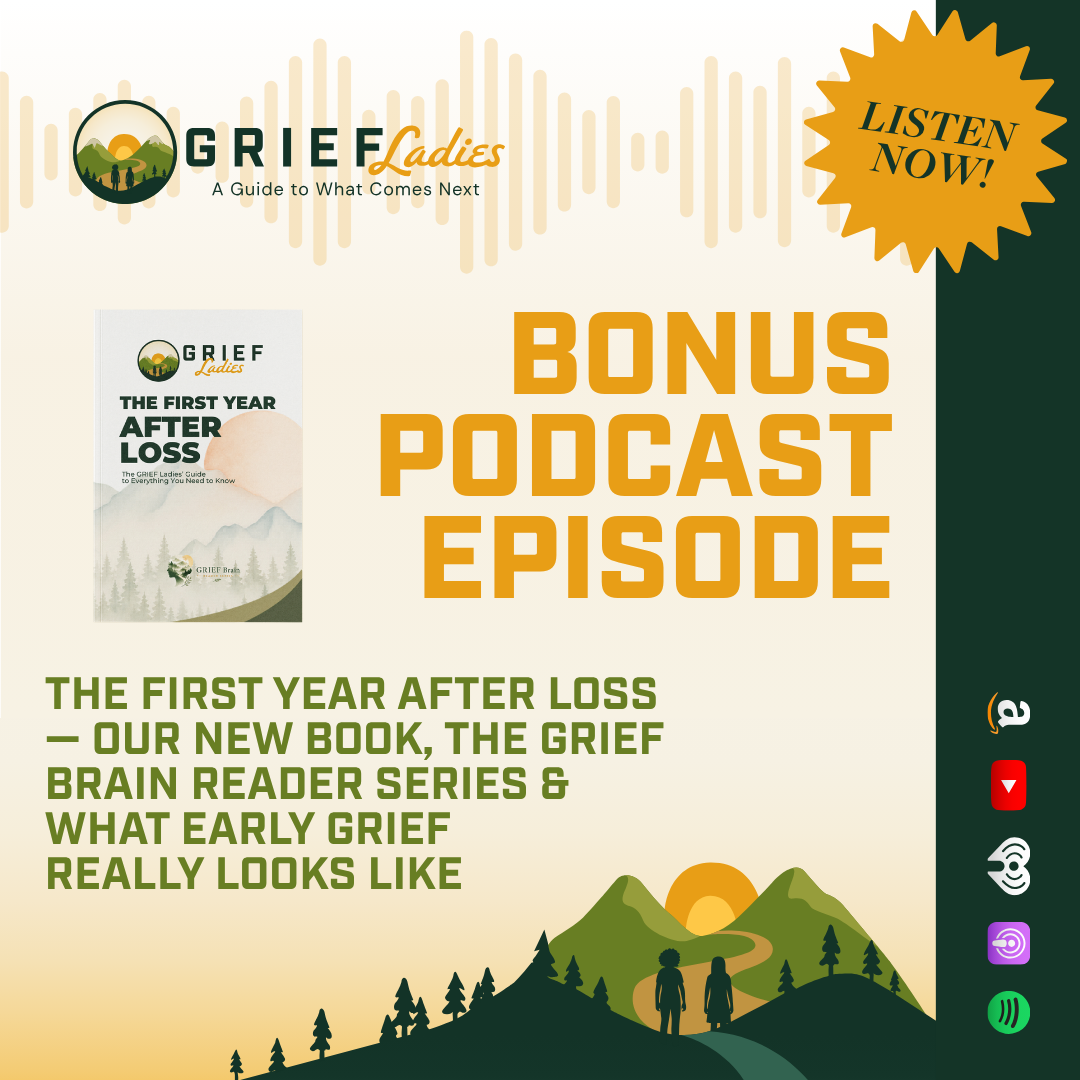
What Actually Happens in the First Year of Grief and Why Nobody Warns You
The first year after a loss is full of things nobody prepares you for — grief brain, grief bursts, the exhaustion, the firsts. Grief specialists Kelly Daugherty and Karyn Arnold explain what's actually normal and what helps.
The first year after a loss is unlike anything else you will experience. And yet most people go into it completely unprepared because nobody talks honestly about what it actually feels like. That's not because people don't care. It's because grief is still one of the most underdiscussed experiences in our culture. We show up for the funeral. We bring the casseroles. And then, as Kelly Daugherty often says: "By the time the casseroles have been eaten, the phone has stopped ringing, and the funeral is over, then it really hits them." And when it hits, many people ask the same question: Am I grieving, or am I going crazy? The answer, almost always, is: you are grieving. And this is what grief actually looks like.
What Is "Grief Brain" and Is It Real?
Yes. Grief brain is real, and it affects more people than most realize. When you are in early grief, your nervous system is under enormous strain. Stress hormones are elevated. Sleep is disrupted. Your body and mind are working overtime to process something that has no quick resolution. As a result, many grieving people experience significant cognitive changes — including difficulty concentrating, forgetting things they would never normally forget, struggling to read or retain information, and feeling mentally foggy or scattered. This is why Kelly Daugherty and Karyn Arnold — co-hosts of the GRIEF Ladies Podcast and co-authors of The First Year After Loss — designed their new Grief Brain Reader series with the grief brain specifically in mind. The books are intentionally short and digestible. Because handing a grieving person a 300-page book isn't helpful. It's another complication. "Your grief brain can handle this" is the message behind the series. It was written for exactly where you are right now.
The Firsts Nobody Prepares You For
The first year of grief is filled with firsts you didn't ask for. The first birthday without them. The first holiday. The first time someone asks how you're doing and you genuinely don't know what to say. The first time you reach for your phone to call them — and remember. Each of these firsts carries its own weight. And many people are surprised to find that certain ones hit harder than they expected — sometimes months later, sometimes on a completely ordinary Tuesday with no obvious trigger. This is not unusual. This is grief doing exactly what grief does.
Grief Bursts: When It Comes Out of Nowhere
One of the most disorienting experiences in grief is what clinicians sometimes call a grief burst — a sudden, intense wave of grief that arrives without warning. You might be in the grocery store, driving to work, or sitting quietly at home when something — a smell, a song, a phrase — brings the loss rushing back with full force. Kelly Daugherty, an LCSW-R and grief specialist with over two decades of experience, is open about her own experience with this. Her mother has been gone for 32 years. And grief bursts still come. "I had a grief burst the other day about my mom. It's been 32 years. And it still hit me. Because grief doesn't have an expiration date." This is not a sign that something is wrong. It is a sign that you loved someone deeply. And it is completely normal.
What the First Year Actually Needs
The first year of grief deserves focused, intentional support. Not a timeline. Not a checklist. Not someone telling you that you should be further along by now. What helps, according to decades of combined clinical experience from Kelly and Karyn, is this: Finding your people. Co-regulation — the nervous-system science of being around safe, calm people — is one of the most powerful tools in early grief. You need people who can sit with you in it. Who don't need you to perform being okay. Normalizing what you're experiencing. Knowing that grief brain is real, that grief bursts are normal, that the first year is hard for a reason — this alone can reduce the shame and confusion that makes grief even heavier. Short, digestible resources. When you can't concentrate, when reading feels impossible, when your brain can't hold a lot — you need resources that meet you there. Not resources that add to the overwhelm.
The First Year After Loss — Coming Soon
The First Year After Loss, the first book in the Grief Brain Reader series by Kelly Daugherty and Karyn Arnold, will be available now on Amazon on June 16th. It is short. It is honest. It is written for the grief brain — on purpose. And it is for anyone in their first year of loss, anyone who loves someone in their first year, and anyone who has been carrying grief longer than a year and never had a resource that truly met them where they were.
Want to hear more about this book, check out the GRIEF Ladies Bonus Podcast Episode: https://open.spotify.com/episode/0VR2fwgmnguI6P3Yl9qGx2?si=L_jbfIT_Rw6pJymenTAn_g

What Should You Do When You're Grieving? 5 Experts Share One Action Step Each
5 Action Steps to Help You on Your Grief Journey
Grief can make it hard to know where to start. Each expert in this post is a guest from the GRIEF Ladies Podcast, and each one was asked a single question: what is one actionable step a grieving person can take right now? Their answers span every letter of the GRIEF Ladies framework — and together, they give you a place to begin.
G · Grounding: What can you do when grief is keeping you up at night?
Sleep is one of the first things grief disrupts — and one of the hardest to reclaim. Dr. Larissa Tate, a clinical psychologist specializing in sleep, anxiety, and trauma, shares that grief sleep disturbances are not a personal failing. They are a physiological response to loss, and there are evidence-based tools to address them.
Dr. Tate's action step: start with your sleep environment and your wind-down routine before reaching for medication. Small, consistent changes — what time you go to bed, how much light you're exposed to in the evening, what you do in the hour before sleep — can create meaningful shifts over time.
📊 Stat: Research shows that bereaved individuals are significantly more likely to experience insomnia than the general population, with some studies indicating rates as high as 40–50% among the newly bereaved. Sleep disruption can worsen emotional regulation, concentration, and physical health — making it one of the most important areas to address early in grief.
🎙️ Listen to the full episode with Dr. Larissa Tate on sleep and grief
R · Rebuilding: How do you support a child who is grieving?
Children grieve differently than adults, and they often need adults to help them rebuild a sense of safety and routine after a loss. Jennifer joined us to talk about what children actually need when someone they love has died — and what the adults around them can do to help.
Her action step: don't wait for a child to bring it up. Create space for the conversation by naming what happened directly and age-appropriately. Children take cues from the adults around them. When adults are willing to talk about death, children learn that their feelings are safe to share.
🎙️ Listen to the full episode with Jennifer on children and grief
I · Interacting: How does a funeral director help families communicate during grief?
Grief changes every relationship — and the days immediately following a death can bring out both the best and the most complicated parts of family dynamics. Brittany DeMarco-Furman, a fourth-generation licensed funeral director at Glenville Funeral Home, has guided hundreds of families through those first hours and days.
Her action step: have the conversation before you need to. Pre-planning a funeral — or even just talking openly about end-of-life wishes — is one of the most loving things a family can do for each other. It removes the burden of guessing during the hardest moments, and it opens a door for honest communication about what matters.
💬 Quote: "It's the last gift you can give your family." — Brittany DeMarco-Furman
🎙️ Listen to the full episode with Brittany DeMarco-Furman on family communication and grief
E · Evolving: What do you do when grief emotions feel impossible to sit with?
The emotions that show up in grief — anger, guilt, fear, regret — can feel like walls rather than doorways. Holly McNeill, known as The Mindfulness Architect, developed the P.E.R.L.O.V.E. Formula after her own experience of profound personal loss. Her work focuses on helping people understand how their minds function under stress so they can engage with pain more consciously.
Her action step: pause before you react to a difficult emotion. You don't have to fix the feeling or push it away — just notice it. Mindfulness isn't about becoming calm; it's about becoming curious. That small shift from reaction to observation can change your entire relationship to the emotion.
📊 Stat: Studies on mindfulness-based interventions for grief have found reductions in grief-related rumination and increases in psychological flexibility among bereaved participants. The ability to observe emotions without being consumed by them is a trainable skill — not a personality trait.
🎙️ Listen to the full episode with Holly McNeill on mindfulness and grief
F · Finding: How do you grieve a pet when no one around you understands?
Pet loss is one of the most common forms of disenfranchised grief — grief that isn't fully recognized or validated by others. Adam Greenbaum created Love Baxter, the world's largest pet end-of-life resource, after the death of his Boston Terrier, Baxter, in October 2024. His episode is a reminder that the grief you feel for an animal is not small, and you don't have to explain it to anyone.
His action step: find your people. Seek out communities — online or in person — where pet loss is taken seriously and your grief is welcome. Isolation makes grief harder. Connection, even with strangers who understand, makes it more bearable.
🎙️ Listen to the full episode with Adam Greenbaum on pet loss and finding connection
One framework. Five action steps. A place to begin.
The GRIEF Ladies framework — Grounding, Rebuilding, Interacting, Evolving, and Finding — was built on the understanding that grief touches every part of life. There is no single right place to start. But there is always somewhere. The five guests in this post each offer one small, real step you can take in the area of grief that feels most pressing for you right now.
we

Coping with Pet Loss: Grieving a Beloved Dog & Preparing for End of Life
Coping with Pet Loss: Grieving a Beloved Dog & Preparing for End of Life
Coping with Pet Loss: Grieving a Beloved Dog & Preparing for End of Life
Losing a pet can feel devastating — and yet pet grief is often minimized or misunderstood.
In this episode, Adam Greenbaum shares the story of losing his Boston Terrier, Baxter, and how that experience led him to create Love Baxter, a resource supporting pet owners through end-of-life decisions and bereavement.
We discuss:
Why pet loss is often disenfranchised grief
Preparing for a pet’s end of life
The emotional toll of euthanasia decisions
Ways to celebrate and memorialize your pet
Finding support during pet bereavement
Our pets are companions, family, and witnesses to our lives. Their loss matters.
As always, we close with practical steps you can take during your own grief journey.
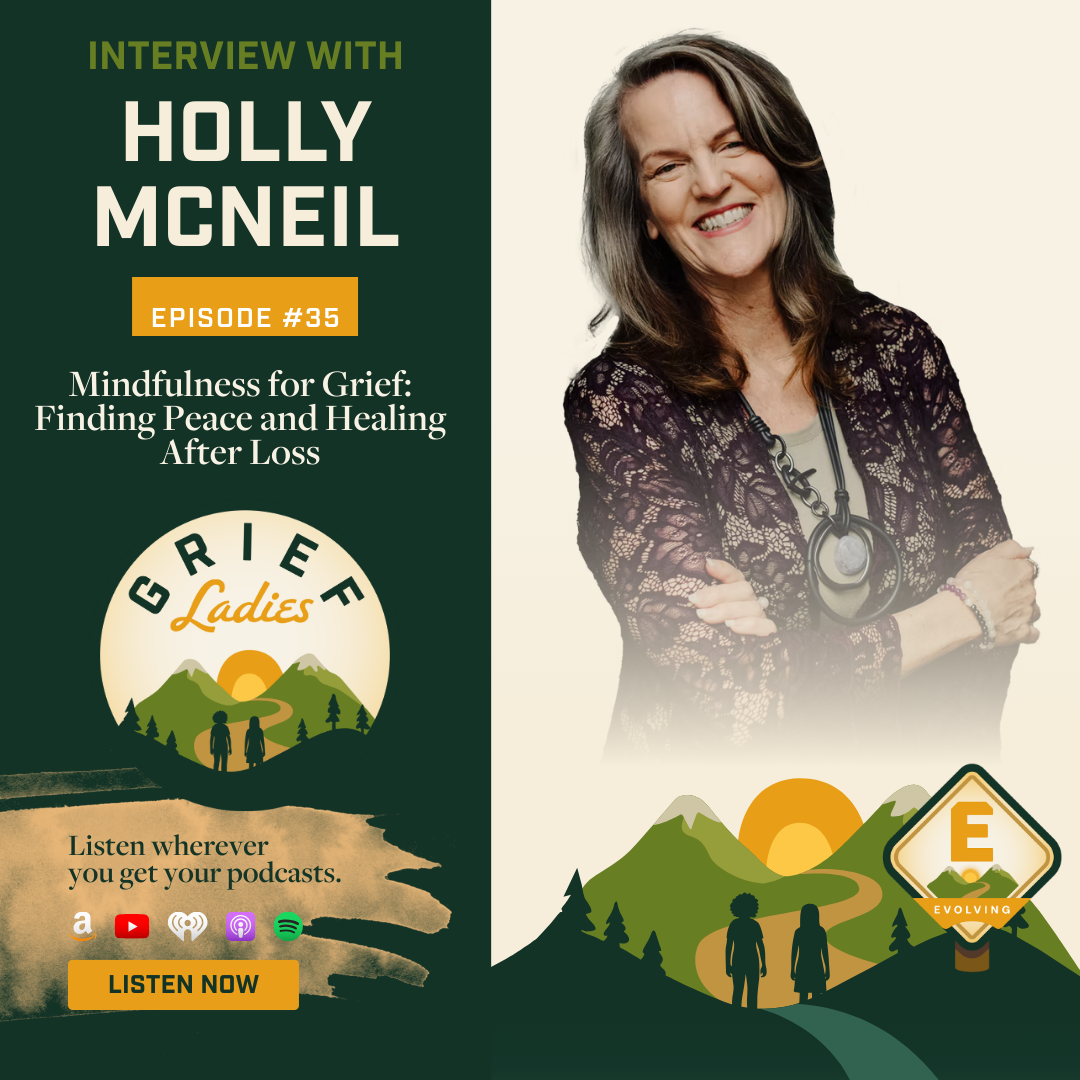
Mindfulness for Grief: Finding Peace and Healing After Loss
Mindfulness for Grief: Finding Peace and Healing After Loss
Mindfulness for Grief: Finding Peace and Healing After Loss
Grief can pull you into the past or push you into fear about the future. Mindfulness invites you back to the present moment.
In this episode, we talk with Holly McNeill about how meditation and mindful awareness can support healing after loss. We explore the PUR-LOVE framework, the role of gratitude in grief, and how acceptance helps create peace — even when life feels shattered.
You’ll hear:
How mindfulness changes your relationship with grief
Why meditation builds emotional resilience
The connection between gratitude and healing
How to practice presence during pain
Healing through grief is not about forgetting — it’s about learning to be here now.
As always, we close with practical steps you can try this week.
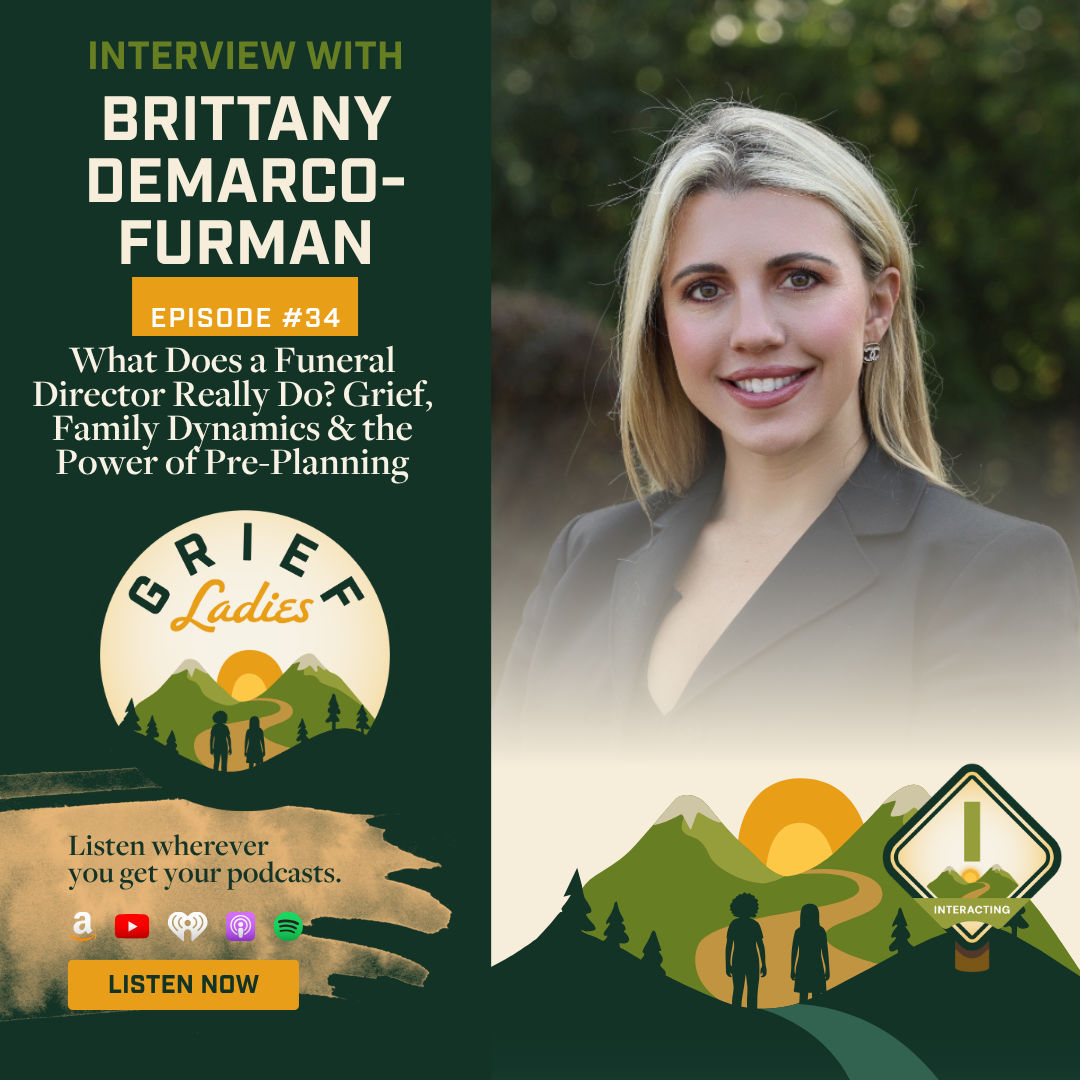
What Does a Funeral Director Really Do? Grief, Family Dynamics & the Power of Pre-Planning
What Does a Funeral Director Really Do? Grief, Family Dynamics & the Power of Pre-Planning
What does it really mean to be there for a family in their most vulnerable moment? In this episode of the Grief Ladies podcast, Karyn and Kelly sit down with Brittany DeMarco-Furman, a licensed funeral director, to explore the deeply human side of the funeral industry.
Brittany opens up about why interacting with grieving families is at the heart of everything she does — and how meaningful connection can make all the difference during one of life's hardest chapters. From the importance of pre-planning as a final gift to your loved ones, to navigating complicated family dynamics, to creating personalized memorials that truly honor a life lived — this conversation is full of wisdom, warmth, and practical guidance.
You'll also hear how music, storytelling, and community support can become powerful tools for healing, and why it's never too late to hold a service or celebrate a legacy.
In this episode, you'll learn:
Why pre-planning your funeral relieves stress for the people you love most
How funeral directors support families as guides, not just service providers
Creative ways to honor and celebrate a loved one's life
Why open conversations about death are an act of love
How sharing stories and memories can be part of the healing process
"It's the last gift you can give your family." — Brittany DeMarco-Furman
Whether you're in the midst of grief, supporting someone who is, or simply want to be better prepared, this episode reminds us that honoring a life well-lived is one of the most healing things we can do.
Listen here: https://open.spotify.com/episode/3CsgIP7w58wV0IJ87OhgkK?si=b8fbb8e22b294a23

What Can You Do Right Now to Support a Grieving Child?
How Children Grieve: Developmental Considerations and Grief-Informed Support
You don't have to have all the answers. You don't have to say the perfect thing.
What grieving children need most is the presence of adults who aren't afraid to stay in the conversation with them.
A few places to start:
Use clear, honest language about what happened. Children deserve the truth, offered gently and attuned to their age and understanding.
Talk about the person who died. Say their name. Share stories. Pull out photos. When children hear adults speak freely about who that person was, they learn that it's safe for them to do the same.
Follow the child's lead. Some days they'll want to talk. Some days they'll want to play. Both are grief. Neither is wrong.
Validate what they're feeling without rushing them past it. Tears are okay. Anger is okay. Laughter is okay too — children move in and out of grief in ways that can surprise adults, and that's completely normal.
And if you're a grieving adult who is also trying to support a grieving child, please don't forget: you need support too. You cannot pour from an empty place, and asking for help — from a friend, a counselor, a support group, or anyone who has spoken to your heart — is not weakness. It's where rebuilding begins.
About the Guest: Jennifer Kimlingen, LCSW
Jennifer Kimlingen is a Licensed Clinical Social Worker specializing in grief, bereavement, traumatic loss, and children's grief. She completed her undergraduate and graduate degrees from Adelphi University in 2014 and has a clinical background spanning medical social work, grief counseling, and private practice. Jennifer currently serves as a bereavement counselor with Choices Health and provides grief education for mental health clinicians through the Agents of Change Continuing Education platform. She presents regularly on children's grief and bereavement and is committed to building a more informed, less avoidant professional culture around death and loss. Jennifer lives in Carlisle, Pennsylvania with her husband and two children.
Listen to this episode: https://open.spotify.com/episode/2MBleeO1Yy6Xni69EIs4jT?si=7uzYVocvRlGApRDPastrog
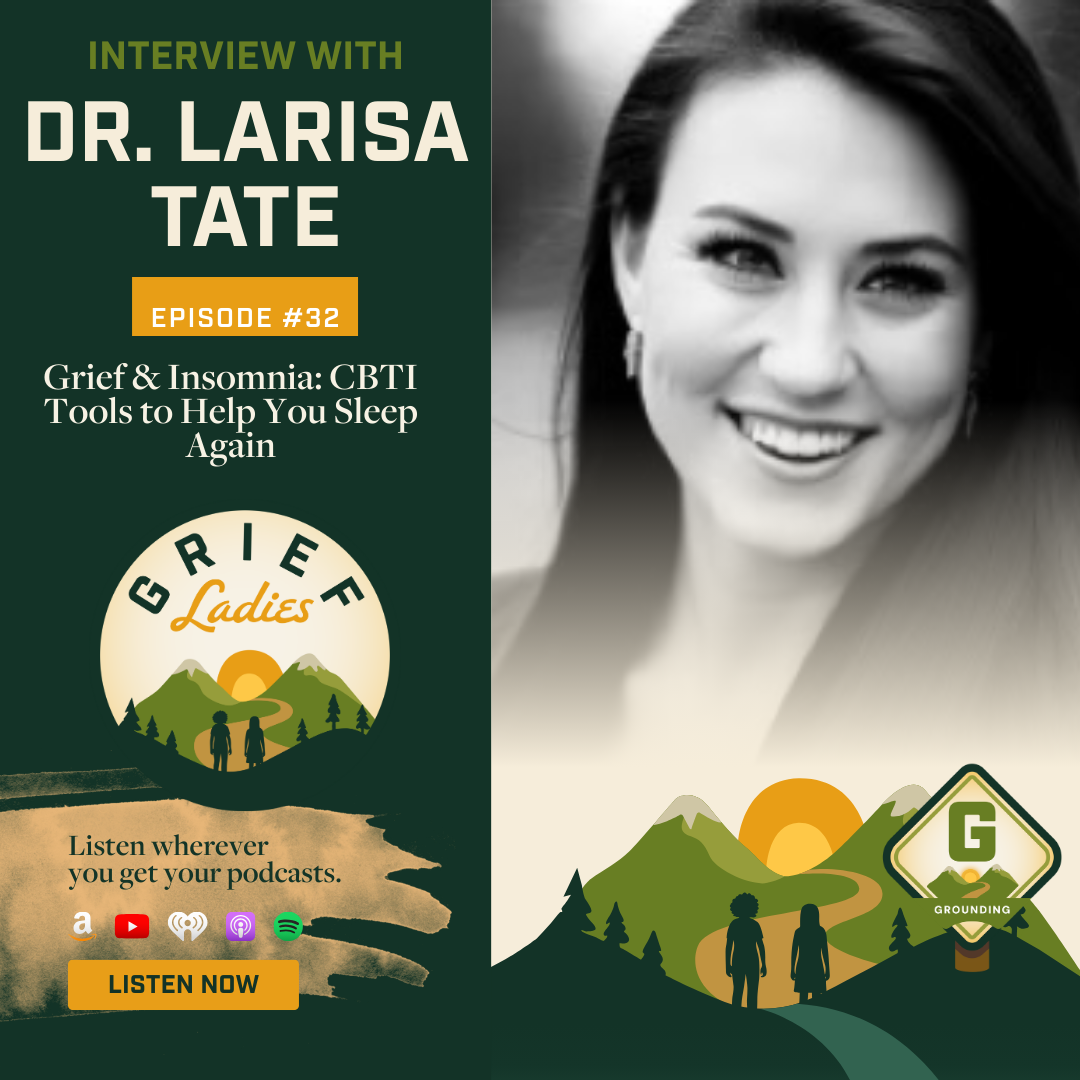
Grief & Insomnia: CBT-I Tools to Help You Sleep Again
Grief & Insomnia: CBT-I Tools to Help You Sleep Again
Grief & Insomnia: CBTI Tools to Help You Sleep Again
If you’ve been lying awake at night since someone died, you’re not alone.
Grief often disrupts sleep, making bedtime feel anxious, frustrating, or emotionally overwhelming. For many people, insomnia becomes one of the most exhausting parts of loss.
In this episode of the GRIEF Ladies Podcast, we’re joined by Dr. Larissa Tate to explore how Cognitive Behavioral Therapy for Insomnia (CBT-I) can help. CBTI is an evidence-based approach that helps rebuild healthy sleep habits — even during grief.
We talk about:
Why grief interferes with sleep
How nighttime anxiety develops
What CBTI actually involves
Sleep hygiene myths
The role of medication
Why napping can worsen insomnia
Small, manageable steps to improve your sleep
Sleep struggles during grief are common — and they’re treatable.
As always, we close with practical tools you can try this week, because grief changes your life — and you deserve support that helps you live inside that change.
Listen at: https://open.spotify.com/episode/0mJXiHNcn53FF6ipIz5eaN?si=MGSQEUD5S86F_xWP7CNiyw
Related topics: grief and insomnia, CBTI for sleep, sleep problems after loss, nighttime anxiety during grief.
Grief Support That Actually Helps: Meet the Grief Ladies
Grief Support That Actually Helps: Meet the Grief Ladies
Most people who are grieving have heard the same things: there’s no right way to grieve, give it time, let yourself feel it. And while there is truth in all of that, it leaves out the most important question — what do you actually do?
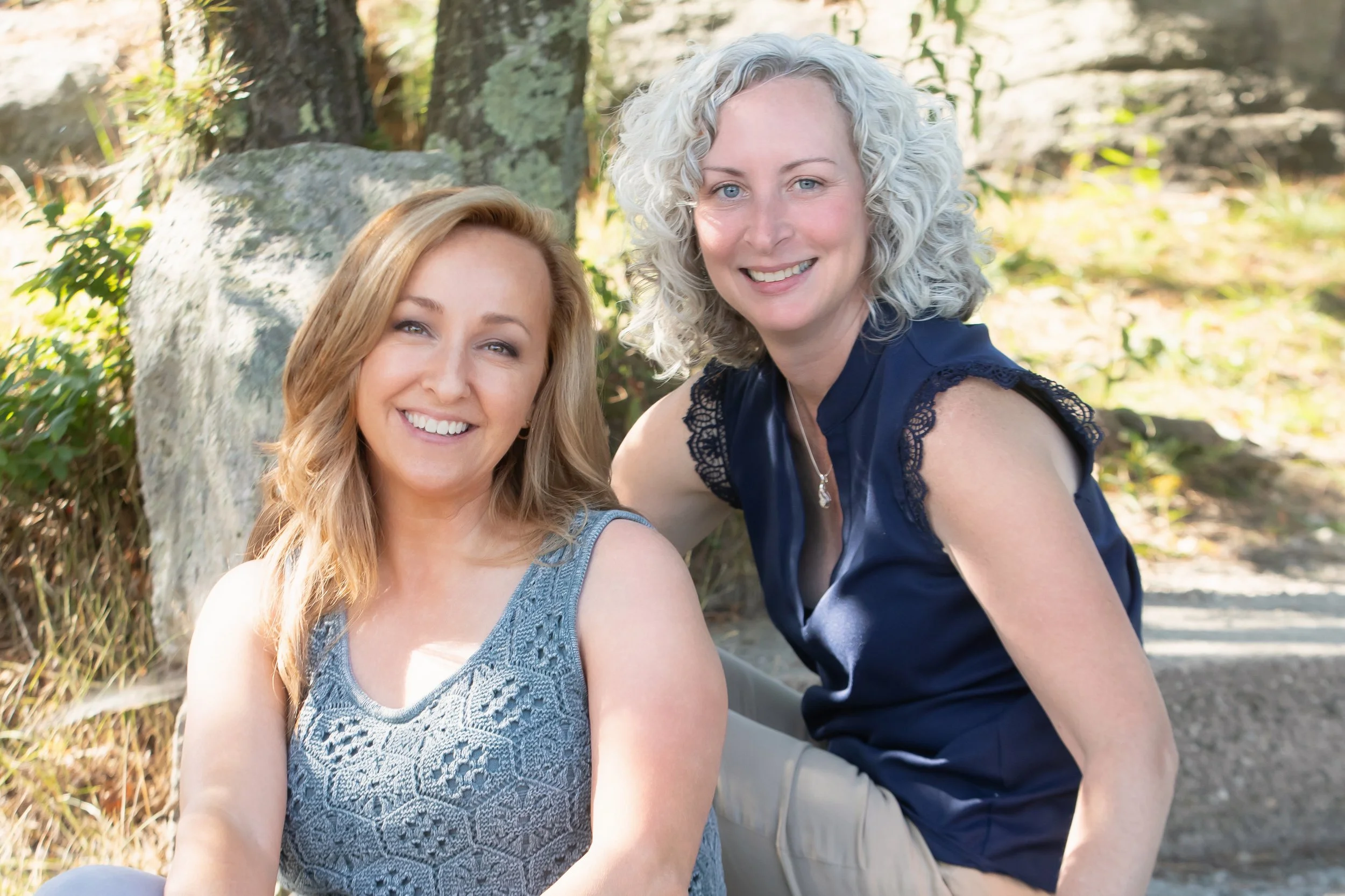
That is the question behind The Grief Ladies podcast. Hosts Kelly Daugherty, LCSW, and Karyn Arnold bring over 50 combined years of experience supporting grieving individuals — and in Episode 1, they introduce themselves, share what drew them to this work, and lay out the GRIEF framework that will guide the entire series.
Kelly’s path into grief work began at 14, after the death of her mother, when she walked into a hospice grief group and finally felt less alone. Karyn found her way in through bereavement work with seniors in her mid-20s — and never looked back. Together, they share a belief that grief is not something to simply endure. There are real tools, practical steps, and small shifts that can make a meaningful difference.
In this episode, you’ll hear about the GRIEF framework — a step-by-step approach covering Grounding, Rebuilding, Interacting, Evolving, and Finding — and why moving forward does not mean leaving your loved one behind. It means taking them with you.
▶️ Listen to Episode 1: https://youtu.be/_0ld4dnUT7I?si=89da5nbDXHa9KOmZ