
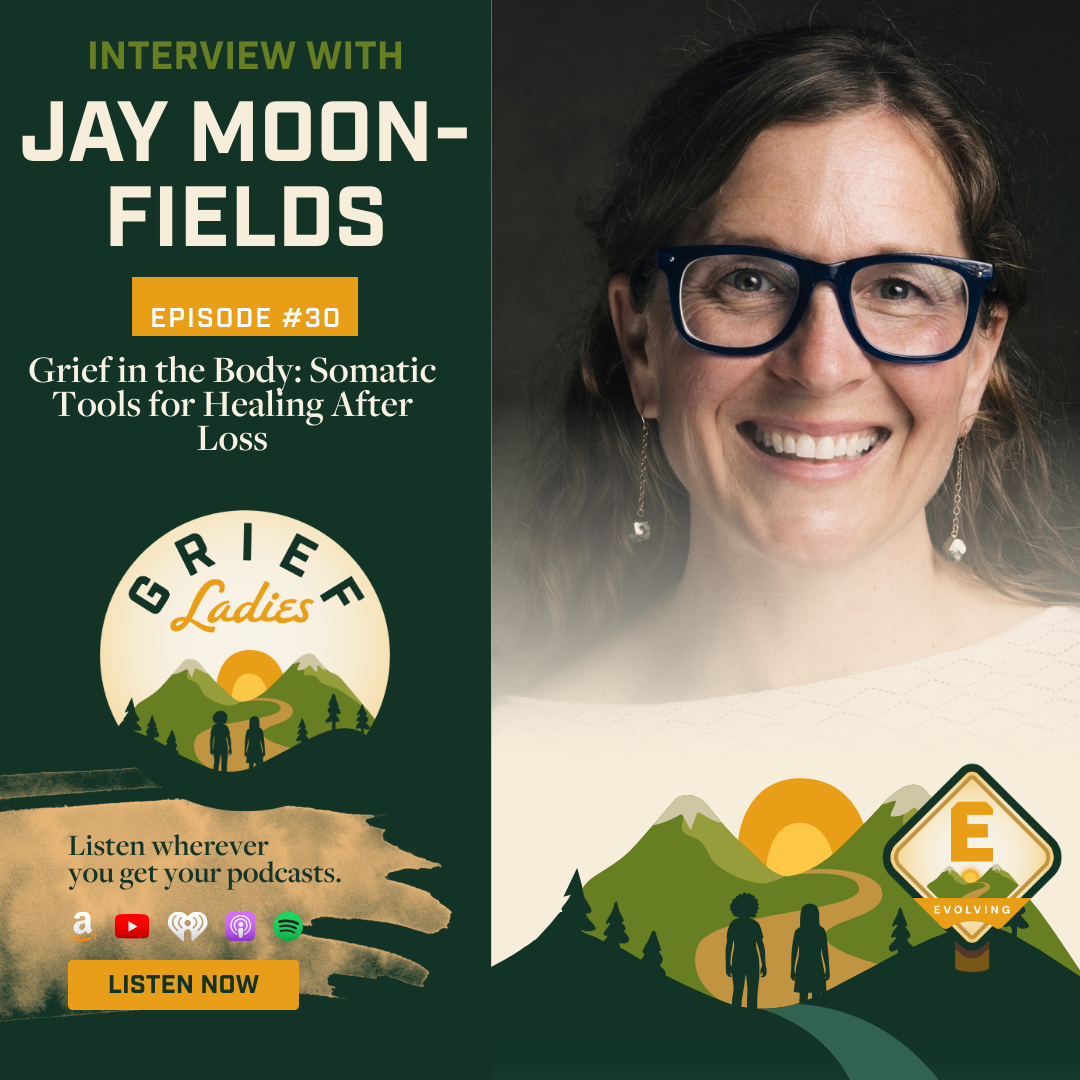
Grief in the Body: Somatic Tools for Healing After Loss
Grief in the Body: Somatic Tools for Healing After Loss
Grief in the Body: Somatic Tools for Healing After Loss
Grief doesn’t stay in your thoughts — it often shows up in your body.
In this episode, we explore how loss can affect your identity, self-esteem, and physical health. Joined by somatic coach Jay Moon Fields, we talk about embodied grief, why physical symptoms like tension and stomach aches are common, and simple tools to help process emotions safely.
You’ll learn:
Why grief can impact your body
How loss reshapes self-identity
Practical somatic tools for emotional release
The “Of Course” validation technique
How to advocate for yourself during grief
Grief changes you — but it can also deepen your self-awareness.
As always, we close with one practical step you can try this week.
Listen here: https://open.spotify.com/episode/74gX1JHIFGFdE2arAVZAi2?si=0fec4b9a954649a2
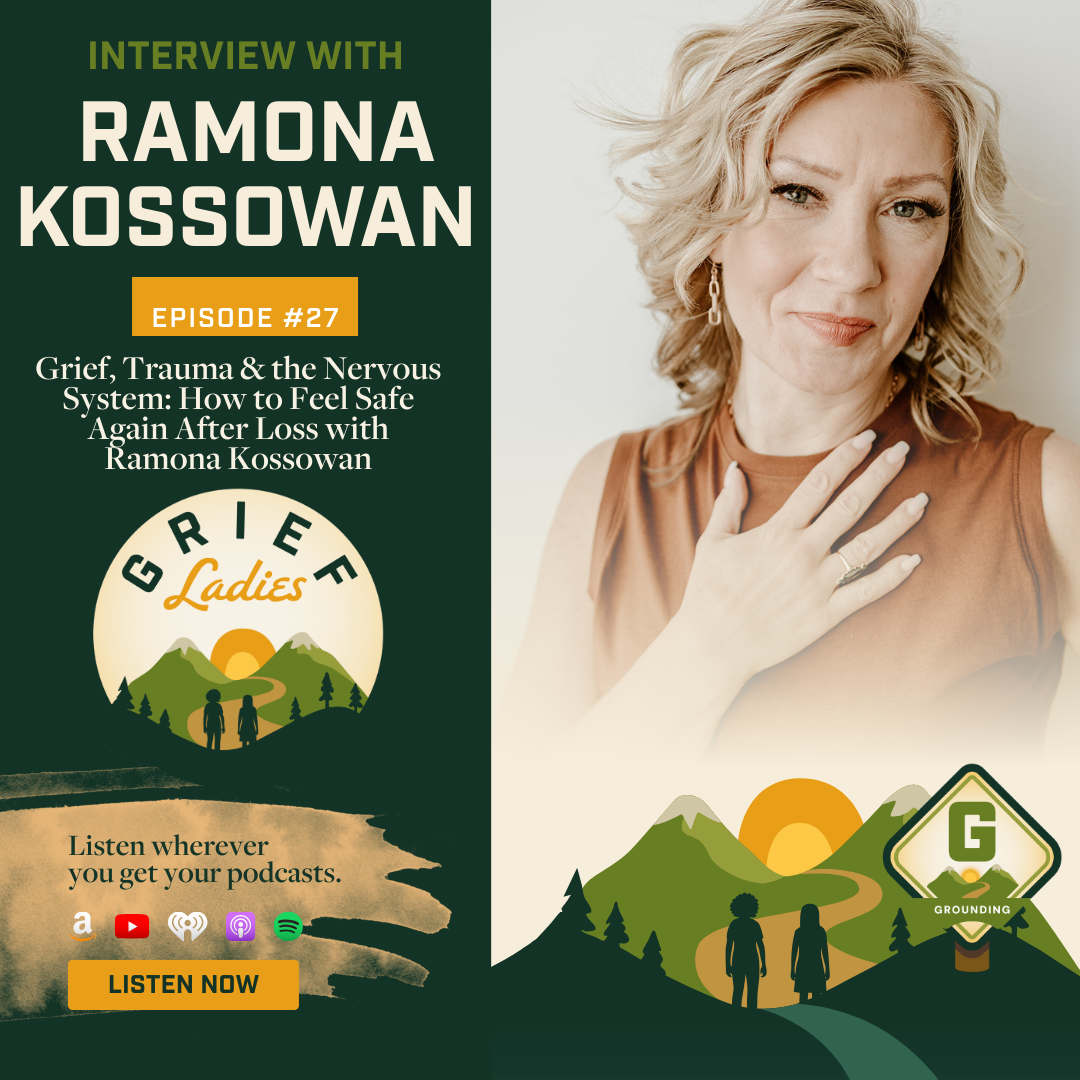
How Does Grief Affect Your Body — And What Can You Do About It?
How Grief Affects Your Body — and What Helps | GRIEF Ladies Podcast
Grief doesn't just live in your mind — it lives in your body, and your nervous system experiences loss as a threat to safety. The short answer to what helps: gentleness, not force. In this episode of the GRIEF Ladies Podcast, Kelly and Karyn are joined by gentle trauma release practitioner and personal empowerment coach Ramona Kossowan to talk about what's really happening in the body during grief, and what actually helps.
Why Does Grief Feel So Physical?
Sleep disruption, digestive issues, pain, a complete loss of identity — these aren't separate from grief, they're part of it. Ramona explains that trauma and grief live in the nervous system, not just in our thoughts. When we experience significant loss, our sense of safety is threatened, and the body responds accordingly. Most people don't recognize this as trauma — especially when a death was anticipated or happened after a long illness. But as Ramona points out, elements of shock exist no matter what, and the caregiving experience itself can leave lasting imprints on the nervous system.
Research published in Psychosomatic Medicine found that bereaved individuals show measurable changes in immune function, cardiovascular stress response, and sleep architecture — confirming that grief's impact on the body is biological, not just emotional.
What Actually Helps the Body Feel Safe Again?
This is where the episode gets practical. Ramona's approach — rooted in polyvagal theory — focuses on sending the nervous system cues of safety rather than pushing through or forcing progress. That can look like a warm breakfast eaten slowly, gentle movement outdoors, time with people who don't require you to perform okay-ness, or working with someone trained to help the nervous system process what it's been holding.
She also names something not enough people hear: a person can be well-meaning and still not be emotionally safe for you right now. That's not a judgment — it's useful information about what your body needs.
The episode includes Ramona's own grief story, which adds depth and honesty to everything she shares about why this work matters.
Listen to the full episode for Ramona's accessible explanation of polyvagal theory, what a gentle trauma release session actually looks like, and her specific guidance on movement and body-based coping skills during grief.

What Does Grief Feel Like? (Emotionally & Physically)
What Does Grief Feel Like?
Grief is not just emotional. It affects your thoughts, your behaviors, your body, and sometimes your spiritual or existential beliefs. Many people are surprised by how physical grief feels. If you’re wondering whether what you’re experiencing is normal, you’re not alone.
Grief Is More Than Sadness
People often expect grief to feel like sadness. But many describe it as a bundled-up box of emotions, multiple feelings happening all at once.
You might experience:
Sadness and anger in the same hour
Relief and guilt together
Numbness followed by intense emotion
Anxiety, fear, or irritability
A sense of meaninglessness or questioning your beliefs
Grief is rarely one emotion at a time. It can feel layered and unpredictable.
The Cognitive Effects of Grief
Grief can impact how you think. Many people report:
Brain fog
Forgetfulness
Trouble concentrating
Difficulty making decisions
Re-reading the same sentence multiple times
This is often called “grief brain,” and it’s a common reaction after a significant loss.
The Physical Symptoms of Grief
Grief is stored in the body. It can feel heavy, almost like you’re physically carrying something.
Common physical symptoms of grief include:
Extreme exhaustion
Sleep disruption
Headaches
Stomachaches or digestive changes
Muscle tension or body aches
Tightness in the chest
Changes in appetite
Research shows that stress levels increase during grief, and inflammation in the body can rise. This can make you feel run down and more susceptible to illness. You’re not imagining it. Grief can truly be physical.
Behavioral and Spiritual Shifts
You may also notice changes in how you behave or see the world:
Withdrawing from others
Losing interest in activities you once enjoyed
Avoiding certain places or conversations
Questioning your faith or long-held beliefs
Feeling different from who you used to be
Loss has a way of shaking the foundation of how we understand life.
If this sounds familiar, it's because grief can feel overwhelming, as it impacts so many areas at once. It isn’t “just” emotional. It’s a full-body, full-life experience.
If you want to hear real conversations about what grief actually feels like, including grief brain, physical symptoms, and emotional waves, we talk openly about this on the GRIEF Ladies podcast, as well as tools to help you with these feelings and symptoms. New episodes come out every Wednesday as we go through our GRIEF Ladies Framework- Grieving, Rebuilding, Interacting, Evolving, and Finding.